

Does Botox Help Under Eyes?
Botox is an injectable drug with a variety of effects, the most notable one being muscle paralysis to relax skin around it. The primary uses for Botox include crossed eyes, excessive sweating, twitching eyelids and wrinkles that appear when you make facial expressions such as smile lines (crow’s feet) around the eyes. Botox for the under-eye areas hasn’t been widely studied, but the overall goals are the same, which is to relax muscles in the area to smooth out wrinkles.
How Botox Works?
Injections are applied directly underneath your skin into the specific muscle groups responsible for your most common facial movements. Botox is a premier anti-aging procedure that works by temporarily relaxing muscles in your face, effectively putting them in a “resting state.” When you talk, smile, or laugh, these muscles contract and pull the overlying skin into folds, which—over years of repetition—can lead to deep, permanent wrinkles and other significant skin changes.
By strategically blocking the neurotransmitters that tell these muscles to move, Botox reduces these effects by making your skin appear remarkably smooth and refreshed. This process doesn’t just treat existing lines; it acts as a preventative shield. Much like a family doctor encourages preventative screenings to maintain long-term health, regular Botox treatments prevent “dynamic” lines from etching themselves into the skin as “static” wrinkles, ensuring your complexion remains resilient and youthful as you age.
What to Expect?
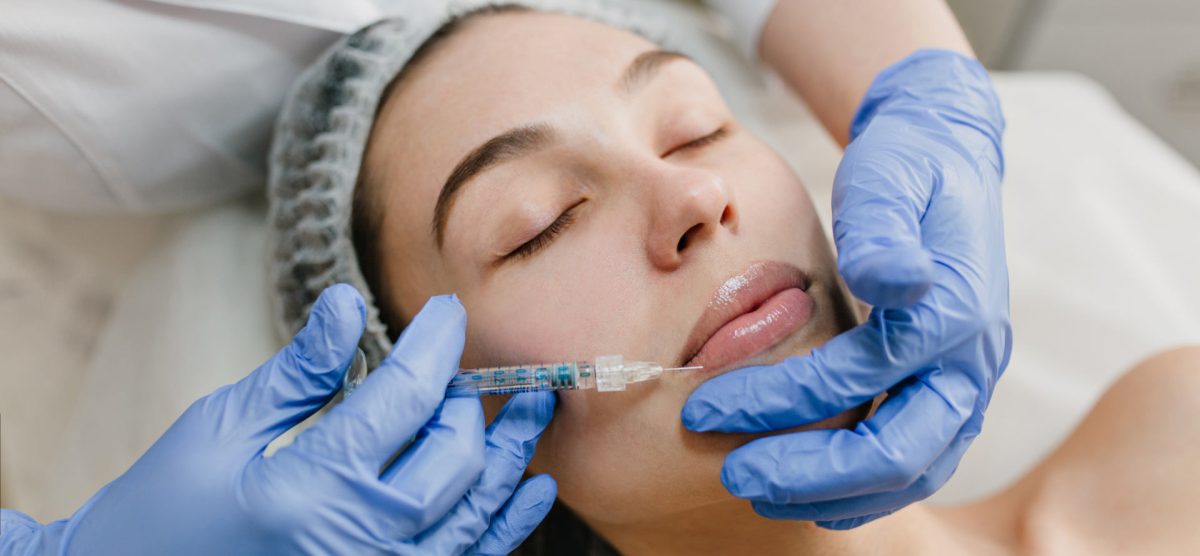
For your safety and the best aesthetic outcome, injections should always be performed in a professional clinical setting. They are administered by a plastic surgeon, dermatologist, or a physician specially trained in the complex anatomy of facial injections. To ensure your comfort, your doctor may apply a topical anesthetic or a cold compress to the injection area to help ease any minor stinging, followed by the injection of a precise, tailored amount of Botox using a very fine needle.
One of the greatest benefits of Botox is that, since this isn’t a surgical procedure, there is a total lack of downtime needed post-injection. Most sessions are completed in under 15 minutes, allowing you to get back to your normal daily activities or return to work immediately. While you may notice tiny bumps at the injection site similar to a mosquito bite, these typically dissipate within an hour. You are simply advised to stay upright and avoid strenuous exercise for a few hours to ensure the product settles perfectly into the targeted muscles.
Is Botox Effective for The Under Eye Area?
During your consultation, your doctor will determine whether the wrinkles under your eyes are dynamic wrinkles (caused by squinting and smiling) or fine lines caused by sun damage and collagen loss. If the concern is muscle-driven, a very small “micro-dose” of Botox may be an option; however, if the issue is volume loss or puffiness, your physician might suggest dermal fillers or specialized skin-resurfacing treatments instead. This expert assessment ensures you receive the right tool for your specific concern, prioritizing a natural look over a “one-size-fits-all” application.
What Are The Alternatives for Botox?
Concerned about the safety or suitability of Botox for under-eye bags or wrinkles? It is important to remember that the skin beneath the eyes is the thinnest on the entire body, and the “bags” many people see are often caused by fat pads shifting or fluid retention rather than muscle activity. You should talk to your doctor about other medical alternatives to Botox that specifically target these structural changes.
There are many effective ways to reduce bags and “crepiness” under the eyes, such as laser treatments to tighten the skin, fractional skin resurfacing, or chemical peels that trigger new collagen growth. For immediate, non-invasive relief of puffiness, cool compress treatments can help, while more significant concerns may require eyelid surgery (blepharoplasty) to permanently reposition the fat. Additionally, over-the-counter wrinkle creams containing retinols or caffeine can offer subtle support, while wrinkle fillers such as Juvederm dermal fillers are the gold standard for smoothing out the “hollows” or tear troughs that create the appearance of dark circles.
Botox is considered effective for some facial wrinkles. However, you should talk to your doctor about concerns you have with bags and wrinkles under the eyes so you can assess all of your options. Your doctor may recommend Botox or even another anti-aging treatment altogether.