
Discover Treatment Options and How to Get Rid of Acne Scars
Acne is far more than a simple cosmetic concern; it is a complex inflammatory condition that affects individuals across all stages of life, from the hormonal shifts of adolescence to the persistent challenges of adult-onset breakouts. Beyond the physical symptoms, the long-term impact on skin texture and the emotional toll on self-esteem can significantly diminish one’s overall quality of life. At Silverado Medical Clinic, our medical team recognizes that healthy skin is a vital pillar of your general health and a reflection of internal balance. We understand that over-the-counter solutions often fall short, which is why we offer a clinical approach to dermatology that identifies the root causes of inflammation rather than merely treating the surface. We are currently accepting new patients and warmly welcome individuals seeking safe, effective, and medically guided solutions for persistent skin concerns and broader wellness needs.
TYPES OF ACNE
The occasional pimple or breakout is common. However, regular breakouts or acne that is unresponsive to over-the-counter treatments may require medical attention. Specialist attention is often needed for the following acne conditions:
- Recurrent breakouts
- Milia
- Cystic acne
- Acne scarring
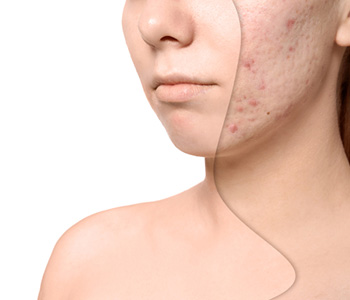
Although any type of acne can technically cause scarring, cystic acne can cause permanent scarring or pitting. This form of acne affects teenagers and adults and may linger for years. Cystic acne develops as large, painful spots on the face, back, chest, shoulders, and arms.
Acne breakouts are often the result of hormonal changes. When a pimple forms, the skin’s pores are full of dead skin cells. Trapping the bacteria causes the area to become red and swollen. These painful, inflamed areas are cystic acne. The pimples and surrounding areas may be red, tender, and full of pus. They may hurt or itch. If the spots burst, additional skin infections and breakouts can occur.
Don’t pop pimples! We understand the temptation, but always remember not to touch, pick at, or pop pimples. This rule applies to all breakouts but especially cystic acne. Popping pimples damages the skin, spreads bacteria, and worsens acne breakouts. The risk of scarring increases too.
CAUSES OF SCAR FORMATION
In general, scars are the result of skin trauma. With acne, when a pimple pops, the bacteria and dead cells that were held within the bump spread across the skin. This causes skin infections and can create larger lesions. The body responds naturally by stimulating collagen production to repair the damage. While it is great that the body has a natural response system, the new collagen and tissue may differ from the current texture of the skin. This new texture may appear as a scar.
Types of scars may include:
- Ice pick scars – Appearing as large, open holes, ice pick scars are usually deep and narrow. They are often found on the cheeks.
- Boxcars – These scars are round or oval depressions with sharp vertical edges. They may result from inflammation.
- Rolling scars – Infections may cause rolling scars which give the skin a wavy appearance.
Scars may also be hypertrophic or atrophic. Hypertrophic scars are raised bumps on the skin. They are caused by excess collagen production. Atrophic scars result when collagen or tissue is lost. These appear to be depressions in the skin.
TREATMENT OPTIONS FOR SCAR REMOVAL
Every scar is unique. The age, size, shape, thickness, or color may vary from patient to patient or even from scar to scar. The same treatment may not work for every scar. In some cases, patients notice improvement after a single treatment. For others, a combination or series of therapies are necessary to address the texture and quality of the skin. During your consultation, Dr. Folake and her team of aesthetic professionals can determine which treatment may be best for your skin type and acne scars.
Common scar treatments may include:
- Chemical peels
- Fractora
- Laser treatments
- Dermal fillers
- Microneedling
- Platelet-rich plasma
Acne scar removal treatments have grown in popularity. Treatments are effective ways to smooth the skin’s texture. Depending on the exact treatment, scar tissue is broken up, cell turnover is stimulated, and/or depressed scars are raised. Procedures can smooth scarring and improve discoloration caused by acne. The goal of scar removal treatments is to minimize the appearance of the scar. A scar cannot be completely erased but treatments can help correct the way it looks.
Improve your skin’s texture with acne scar removal treatments. To learn more about how to get rid of acne scars, contact Silverado Medical Clinic in Calgary, AB.