
Taking care of your health and well-being involves more than just how you look—it’s also about how you feel. At Silverado Medical Clinic in Calgary, AB, we encourage patients to maintain healthy lifestyle habits, from balanced nutrition and regular exercise to stress management and preventive checkups. As a trusted walk-in clinic, we provide safe, evidence-based medical care that supports your overall wellness and confidence.
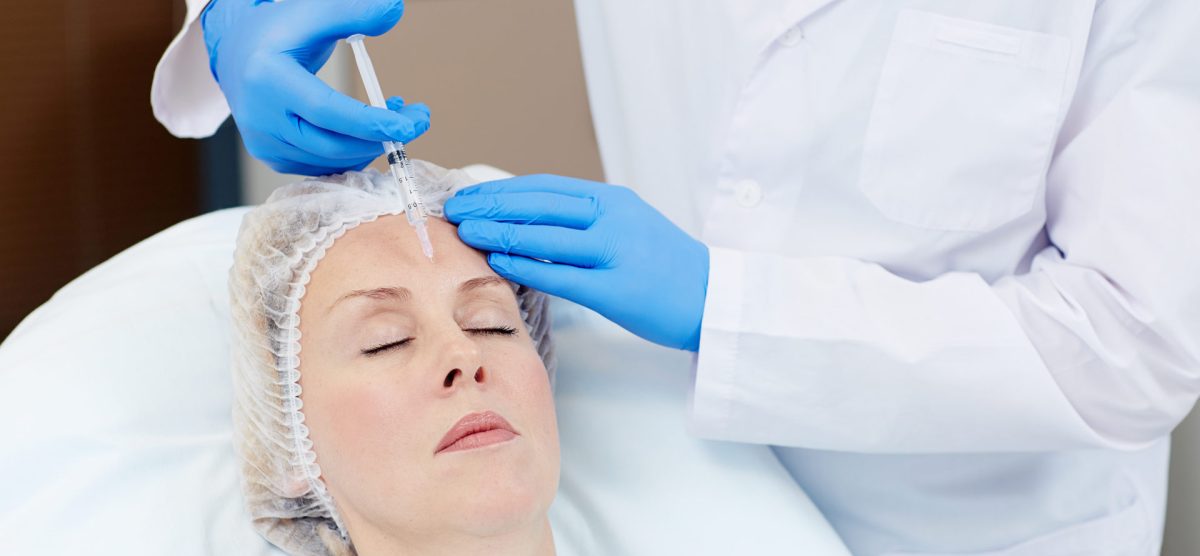
For those exploring aesthetic options, Botox remains one of the most recognized and effective treatments for reducing facial wrinkles and fine lines. Commonly administered in a clinical setting, it can smooth areas such as the forehead, around the eyes, and lips, while also helping manage certain medical conditions like neck spasms, excessive sweating, and chronic migraines. Like any procedure, proper aftercare is key to achieving the best results—below, we answer five frequently asked questions about Botox aftercare to help you prepare and recover safely.

What should I not do after my Botox appointment?

Botox injections are known to be relatively harmless, but there is a chance you experience some side effects if you do certain activities after your treatment. To start, it is best that you not rub or massage the injection site for at least 4 hours after your treatment. Another activity that may cause you to experience adverse side effects is exercising excessively within 24 hours after your treatment. High-intensity movement increases blood flow and body temperature, which can interfere with the way the protein binds to the nerve endings. One last activity that is best to avoid during the few hours after your treatment is lying on your front. It is best to stay upright and keep your head elevated immediately after your treatment. By keeping your head above your heart, you allow the injection to settle naturally and reduce the risk of localized swelling.

When can I go back to my normal exercise routines?

According to professionals, it is best not to do any exercise within 24 hours of completing your treatment. This waiting period is crucial for allowing the treatment to take full effect without being disrupted by physical strain. With that being said, there are a few exercises that are acceptable after 4 hours of your appointment. These exercises include walking, jogging, light yoga, where you stay upright and gardening. These low-impact movements keep your heart rate steady while still allowing you to stay active.
The exercises that are prohibited after 24 hours of your treatment are weight training, cross-training, running and intense yoga where your body is inverted. Inversions, such as downward dog or headstands, are particularly discouraged because they change the blood pressure in the face and can cause the Botox to migrate. Just as your family doctor might advise rest after a medical procedure, giving your facial muscles a “day off” from heavy exertion is the best way to protect your aesthetic investment.

What are possible side effects of Botox?

There are three common possible side effects when receiving Botox treatments. A common side effect that people may experience is minor bruising at the injection site; this bruising typically goes away within a few days. Another potential side effect is small bumps along your skin that are small but visible. This may sound scary, but they are simply the result of the fluid being injected under the skin and usually disappear almost instantly as the product is absorbed.
The last side effect that many people may experience is headaches. These can be easily treated with over-the-counter medication like Tylenol. Most patients do not experience any side effects, but if you do experience any side effects after your treatment, let your physician know. It is helpful to remember that while Botox is used to treat chronic migraines, the initial injection process can occasionally cause temporary tension as the muscles begin to relax.

When is the best time to start drinking alcohol after my treatment?

Most doctors specializing in aesthetic treatments suggest that individuals should not drink any alcohol for 24 hours before and after their Botox treatment. There are many reasons why alcohol is prohibited during this time period, but the main reason is that alcohol can make your blood thinner, which can increase the chances of experiencing bruising as well as bleeding from the injection points.
Alcohol is also a vasodilator, meaning it causes your blood vessels to relax and widen. This increased blood flow to the surface of the skin can exacerbate swelling and lead to a longer recovery time. Staying hydrated with water instead will keep your skin plump and help your body process the treatment more efficiently. Planning your “Botox Day” away from social events involving alcohol ensure

Can Botox treatments last for a long time?

Botox treatments are not permanent and follow up appointments are required to maintain the youthful appearance Botox provides. Many patients schedule their appointments well in advance to ensure they can maintain the results. On average Botox treatments last anywhere between 12 to 16 weeks. It is possible though for these treatments to last longer, it all depends on the individual and how their body deals with the treatment.

Above we highlighted 5 frequently asked questions about Botox treatments, if you have any further questions, feel free to contact our clinic or schedule a no obligation consultation.