

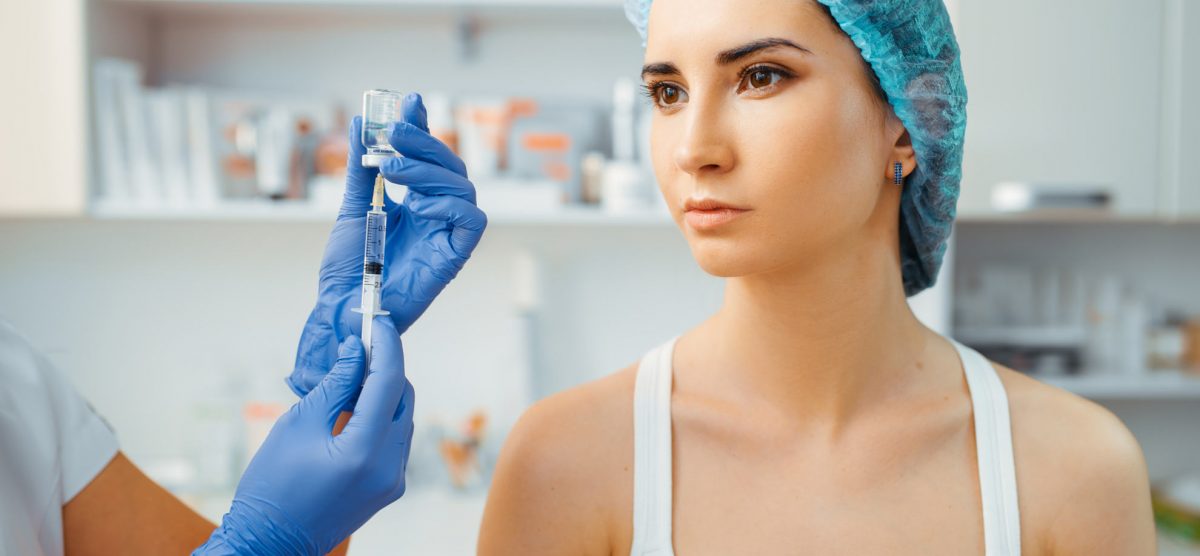
As a brand, Botox has become a household name; their injections have become famous for reducing the appearance of facial wrinkles for anyone that uses the product. Botox injections have been featured both on TV and in movies, often depicted as the gold standard for achieving a refreshed and youthful look. But did you know that Botox is used for more than just keeping wrinkles at bay for several months? While its cosmetic benefits are widely celebrated, its applications in therapeutic medicine are equally transformative and scientifically backed.
Botox is frequently used as a highly effective medical treatment for chronic migraine headaches, the painful clenching of the jaw known as TMJ, and severe excessive sweating, or hyperhidrosis. By targeting specific nerve-to-muscle or nerve-to-gland signals, this versatile protein can provide a level of relief that traditional oral medications often fail to reach.

What is Botox and how does it work?

Botox is a neurotoxin derived from botulinum toxin, this toxin is also the cause of botulism. Even though Botox is a toxin, it is safe if administered correctly by a trained medical practitioner. Botox injections are created using very small amounts of botulinum toxin mixed with saline.

A Botox injection will temporarily paralyze muscles by blocking signals from the nerves. For our muscles to work, our nerves release a chemical (acetylcholine) which signals our muscles to contract. Botox prevents our nerves from releasing acetylcholine, which effectively blocks the signal sent from our nerves to the muscle to contract.

Botox was originally created as a cosmetic treatment, the injection is efficiently able to reduce the appearance of facial wrinkles by temporarily paralyzing the muscles around the eyes, the forehead, corners of the mouth and around the chin. However, Botox is also used to treat several medical conditions that are related to muscles.

How Does Botox Stop Excessive Sweating?

As a neurotoxin, Botox assists in reducing sweating by blocking the nerve signals that activate your sweat glands. As your body temperature rises, your body will try and cool itself off by sweating. This is triggered by nerves that activate your sweat glands. Excessive sweating or hyperhidrosis is caused by overactive nerves. By injecting Botox in key areas, such as underarms, these overactive nerves become temporarily paralyzed, which essentially stops the sweat from forming in these areas.

Unfortunately, Botox can not stop excessive sweating all over your body, it is only effective in the area it was injected. Underarms is an area of the body that Botox has shown great success in reducing sweat, it also happens to be one of the major trouble zones for people that suffer from hyperhidrosis.

Is This a Safe Alternative to Deodorants and Antiperspirants?

For many people suffering from hyperhidrosis, standard over-the-counter antiperspirants—even “clinical strength” varieties—are often ineffective or cause significant skin irritation. Botox offers a safe, medical-grade alternative that addresses the root cause of the moisture rather than just masking the odor. Because the treatment is localized, it does not interfere with your body’s overall ability to thermoregulate; your body will still sweat in other areas to stay cool, but the targeted “trouble spots” remain dry.
Choosing this clinical path allows you to avoid the constant reapplication of chemicals to sensitive skin. Much like a family doctor might recommend a specialized treatment for a chronic condition when home remedies fail, an aesthetic physician uses Botox to provide a long-term solution that topical products simply cannot match. This shift from daily topical management to a twice-yearly medical procedure can significantly improve skin health by reducing the friction and rashes often associated with constant moisture.

The Procedure and Results

The injection process is a straightforward, medically supervised procedure performed right at our walk-in clinic. While preparation is minimal, it’s important to discuss your overall health with your physician beforehand to ensure the treatment is safe and appropriate for you. Be sure to inform your doctor about any medications, supplements, or existing medical conditions prior to your injections so they can provide personalized guidance and help you achieve the best and safest results.
Following the procedure, patients can typically return to their daily routines immediately with virtually no downtime. It will take several days for the Botox to effectively settle and begin blocking the nerve signals, with most individuals noticing a significant reduction in moisture within the first week and complete dryness by day 14. Because the body naturally metabolizes the protein over time, the results generally last between six to twelve months, offering a long-term reprieve from the discomfort of hyperhidrosis before a maintenance session is required.

It will typically take several days for you to begin noticing the reduced sweat, and up to two weeks for complete dryness. The procedure is temporary and can last anywhere from three to twelve months, after which you will need to repeat the procedure.

If you would like to reduce the amount you sweat, or if you suffer from hyperhidrosis, book your consultation with Dr. Folake Pepple at Silverado Medical Clinic today!